
"USDA coffee"
400 article(s) found

Introduction of Yongas Snow vein Manor in the northeast of La Paz
The goal of planting coffee in the whole Takesi manor is 200ha, but only 13ha is planted and harvested very little Typica species, and the annual yield is only 120bags. This is not only fine agriculture, but also a farming model that respects nature. Takesi is the name of the local aborigines, the place name and the snow water from the mountains, also known as Takesi. After the publication of the CoE final in 2009, Takesi is no longer without.

Global coffee producing area Puerto Rico coffee market
In 1736, coffee trees were introduced from Martinique to PuertoRico. Most of the early coffee was grown by immigrants from Corsica. Coffee farms were once prosperous in the 19th century, but the rise of sugarcane and crop farming and the impact of hurricanes and wars made the coffee industry lag behind and is now recovering. The origin of coffee in Puerto Rico: Puerto Rico is the most

Boutique coffee recommends Puerto Rican coffee
In 1736, coffee trees were introduced from Martinique to PuertoRico. Most of the early coffee was grown by immigrants from Corsica. Coffee farms were once prosperous in the 19th century, but the rise of sugarcane and crop farming and the impact of hurricanes and wars made the coffee industry lag behind and is now recovering. The origin of coffee in Puerto Rico: Puerto Rico is the most

Analysis of sustainable management plan of Myanmar Jinils Coffee Jinils Coffee Introduction
Genius Coffee is located in Ywar Ngan District, Southern Shan State, Myanmar. The local soil and climate are very suitable for growing coffee. Its coffee can truly present the growing environment. Ywar Ngan is located in the plateau area, and its life style remains as simple and beautiful as ever. The local farmers are Danu hill tribe residents, who are first on the ancestral land.

Puerto Rican coffee. Puerto Rican coffee.
In 1736, coffee trees were introduced from Martinique to PuertoRico. Most of the early coffee was grown by immigrants from Corsica. Coffee farms were once prosperous in the 19th century, but the rise of sugarcane and crop farming and the impact of hurricanes and wars made the coffee industry lag behind and is now recovering. The origin of coffee in Puerto Rico: Puerto Rico is the most

Puerto Rico Coffee Manor flavor taste introduction to San Pedro Manor
In 1736, coffee trees were introduced from Martinique to Puerto Rico. Most of the early coffee was grown by immigrants from Corsica. By 1896, Puerto Rico was the sixth largest exporter of coffee in the world, with most coffee shipped to France, Italy, Spain and Cuba. Coffee farms flourished in the 19th century, but the rise of sugarcane and drug farming

Introduction to Puerto Rico boutique coffee beans-Larez Yaoke Coffee in South-Central China
Features of Puerto Rico coffee: Yaocote is a fascinating coffee with a complete flavor, no bitterness, nutritious, fruity and worth tasting. Even Thales in Harrogate, UK, has imported 50 bags of Yaoke specialty coffee. Flavor: full granule, full flavor, rich aroma suggested baking method: medium baking ★★★

Fragrant Puerto Rican Coffee Manor Atlanta Manor introduces boutique coffee beans
Flavor: full grain, full flavor, rich aroma suggested roasting method: medium roasted ★★★: excellent Puerto Rican coffee market: today, Puerto Rico gourmet coffee has been exported to the United States, France and Japan. Coffee in this country is generally carefully cultivated with pure flavor, aroma and heavy granules, among which the best is among the world's famous brands. At the time of the submission of the goods, the U.S. Government's

Introduction to the producing areas of Puerto Rican Coffee with complete Flavor by Variety treatment
Features of Puerto Rico coffee: Yaocote is a fascinating coffee with a complete flavor, no bitterness, nutritious, fruity and worth tasting. Even Thales in Harrogate, UK, has imported 50 bags of Yaoke specialty coffee. Flavor: full granule, full flavor, rich aroma suggested baking method: medium baking ★★★

The coffee producing area of Puerto Rico.
In 1736, coffee trees were introduced from Martinique to PuertoRico. Most of the early coffee was grown by immigrants from Corsica. Coffee farms were once prosperous in the 19th century, but the rise of sugarcane and crop farming and the impact of hurricanes and wars made the coffee industry lag behind and is now recovering. The origin of coffee in Puerto Rico: Puerto Rico is the most

Flavor description of Puerto Rico Yaoke selected Coffee beans introduction to Grinding scale Manor
Puerto Rico Yaocoe selected Coffee beans Flavor description Grinding scale Manor introduces the characteristics of Puerto Rico coffee: Yaocote selection is a fascinating coffee with a complete flavor, no bitterness, rich nutrition, fruity flavor and worth tasting. Even Thales in Harrogate, UK, has imported 50 bags of Yaoke specialty coffee. Flavor: full granules,

World boutique coffee manor introduction: Costa Rica Laslajas black soul coffee beans
Costa Rica Laslajas black soul Finca Las Lajas Alma Negra Costa Rica black soul Ras Lajas black soul Finca Las Lajas, Alma Negra taste clear: "there is an opportunity to choose high-temperature day-to-day processing." the light fruit is fermented and fragrant, the taste is sour and sweet, with dried berries, black and drupe flavors, and sweet and sweet taste.

The characteristics of Bolivian coffee with delicate and smooth touch, sweet aftertaste and aroma
Bolivia's high-quality estates, very high altitude, perennial low temperature environment, so that coffee fruit growth is slow, tight enough, aroma is also charming, floral aroma is obvious, such as careful handling, cherries with the same maturity, often have a clean and meticulous high-end taste, this elegant vanilla and honey aromas are very attractive, this champion bean has a variety of floral aromas, vanilla and sweet very long-lasting. To

Rainforest Certified Cedamo Honey Coffee processing Story _ Suke Quto Farm Coffee in Shaquiso
Professional coffee knowledge exchange more coffee bean information please follow Coffee Workshop (Wechat official account cafe_style) Rainforest Certification Ethiopia Sidamo Honey treated Coffee beans / Ethiopia Suke Quto Guji G1 is harvested from the original forest of Sidamo Guji's essence Shakiso production area (Shakisso/Shakiso), refined with honey treatment, and manually removed defects

Introduction of Bolivian coffee beans in a very high altitude and perennial low temperature environment
Bolivia's high-quality estates, very high altitude, perennial low temperature environment, so that coffee fruit growth is slow, tight enough, aroma is also charming, floral aroma is obvious, such as careful handling, cherries with the same maturity, often have a clean and meticulous high-end taste, this elegant vanilla and honey aromas are very attractive, this champion bean has a variety of floral aromas, vanilla and sweet very long-lasting. To
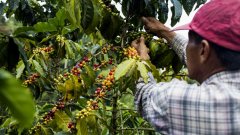
Brazilian coffee farmers turn to grow Robusta Arabica coffee beans decline.
There is no doubt that climate change has had a profound impact on the coffee industry, and a Reuters article on August 16th revealed the rise of Robusta Coffee. Farmers in Brazil, the world's largest producer of coffee beans and Arabica coffee beans, are turning to robusta coffee beans, which are more intense and unpleasant. There are signs table

The Origin, planting History and Ecological Environment of Hamant Manor
The history and ecological environment of Harmont Manor's coffee has always been one of the best in Panama, winning the Best of Panama in 2006. In order to protect the ecology of the forest, based on the principle of no felling and reclamation, it is called shady coffee, and has obtained "bird-friendly certification". Coffee peel and pulp are made into special powders for stacking.

High-quality manor, introduction to the Bolivian snow vein manor at a very high altitude
The goal of planting coffee in the whole Takesi manor is 200ha, but only 13ha is planted and harvested very little Typica species, and the annual yield is only 120bags. This is not only fine agriculture, but also a farming model that respects nature. Takesi is the name of the local aborigines, the place name and the snow water from the mountains, also known as Takesi. After the publication of the CoE final in 2009, Takesi is no longer without.

Costa Rican Black Soul Flavor description Costa Rican Black Soul delicious? hand punch step parameters
Professional coffee knowledge exchange more coffee bean information please follow the coffee workshop (Wechat official account cafe_style) La Lajas Manor Costa Rica Black Soul Finca Las Lajas, Alma Negra flavor description: organic ecological manor, challenging difficult sun treatment light fruit fermented aroma, sweet and sour taste, with dried berries, black jujube and drupe flavor, more

Ecuador Coffee Ecuador Excellence Cup Ecuador first Coffee Excellence Cup
Professional coffee knowledge exchange more coffee bean information please follow the coffee workshop (Wechat official account cafe_style) Coffee Excellence Cup will be held in Ecuador, this is the first time in the 20-year history of the event. The CoE Cup competition and auction will be held for the first time in Ecuador, a country widely considered by coffee buyers to be in the arabica specialty coffee market.